

Cleveland Brush Removal Services
Choose our expert brush removal for fast, thorough clearing that boosts your property’s safety, beauty, and value—trusted by Cleveland homeowners for reliable results every time.
Get a Free QuoteOur Cleveland Landscaping & Yard Care Services
When to Schedule Brush Removal in Cleveland, Florida – Seasonal Guide
In Cleveland, Florida, timing your brush removal is crucial for maintaining a healthy and attractive landscape. The region’s subtropical climate means that vegetation grows rapidly, especially during the warm, humid months. Optimal brush removal typically falls between late winter and early spring, just after the last frost date and before the onset of the rainy season. This window allows for easier access to overgrown areas and minimizes the risk of disturbing nesting wildlife. Neighborhoods near the Peace River and around Cleveland Avenue often experience dense undergrowth due to high humidity and shaded lots, making regular maintenance essential.
Local environmental factors such as sandy soils, periodic drought risk, and municipal guidelines—like those set by the Charlotte County Environmental Services—also play a significant role in scheduling. For example, areas near the Shell Creek Preserve may have specific restrictions to protect native habitats. For more information on local regulations, visit the official municipal resource. By considering these unique aspects of Cleveland’s landscape, homeowners can ensure their brush removal is both effective and environmentally responsible.
Local Factors to Consider for Brush Removal in Cleveland
- Tree density and type of vegetation (e.g., palmetto, oak, pine)
- Terrain and soil composition (sandy vs. loamy areas)
- Seasonal precipitation and risk of drought
- Proximity to water bodies like Peace River or Shell Creek
- Municipal restrictions and neighborhood association guidelines
- Wildlife activity and nesting seasons
- Shade coverage and sun exposure on your property
Benefits of Brush Removal in Cleveland

Enhanced Curb Appeal
Improved Lawn Health
Reduced Pest Infestation
Increased Usable Space
Fire Hazard Reduction
Professional and Timely Service
Cleveland Brush Removal Types

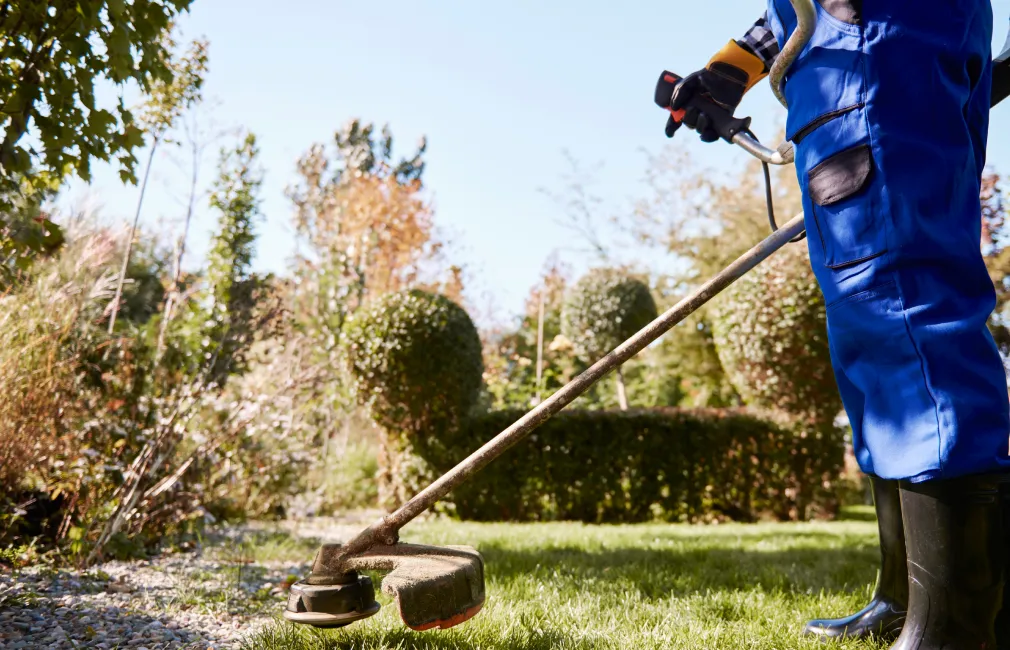
Manual Brush Clearing
-
Mechanical Brush Removal
-
Forestry Mulching
-
Selective Brush Cutting
-
Stump Grinding
-
Lot Clearing
-
Invasive Species Removal
Our Brush Removal Process
Site Evaluation
Safety Preparation
Brush Clearing
Debris Removal
Final Inspection
Why Choose Cleveland Landscape Services
-
Cleveland Homeowners Trust Us
-
Expert Lawn Maintenance
-
Reliable Seasonal Cleanup
-
Competitive Pricing
-
Professional Team
-
Satisfaction Guarantee
-
Personalized Service
Coordinating Brush Removal Through Charlotte County Public Works in Cleveland
Cleveland, FL is an unincorporated community within Charlotte County, meaning brush removal coordination falls under county-level departments rather than a standalone municipal government. Residents and property managers should direct vegetative debris inquiries to Charlotte County Public Works, which oversees curbside collection programs, right-of-way maintenance, and bulk yard waste handling across unincorporated areas. Before placing brush at the curb, property owners should verify current bundling requirements, maximum pile dimensions, and scheduled collection windows directly with the county, as these specifications may change seasonally or following storm events.
- Brush and vegetative debris must typically be separated from household waste and construction materials for proper collection
- Piles placed near swales, drainage ditches, or canal edges can obstruct stormwater flow and may result in code enforcement action
- Storm-related debris surges often trigger modified pickup schedules; residents should monitor county announcements after tropical weather events
- Commercial brush removal operations may require coordination with the county regarding hauling routes and disposal at approved facilities
Charlotte County Public Works
Official Website: Charlotte County Public Works
For properties adjacent to county-maintained drainage infrastructure, Charlotte County Public Works Engineering can provide guidance on setback expectations and right-of-way clearance standards that affect where brush may be staged prior to removal.
How Cleveland's Gulf Coast Climate and Soils Influence Brush Accumulation
Cleveland sits within the Gulf Coast Florida context, characterized by subtropical humidity, a pronounced wet season from roughly June through October, and sandy to poorly drained soils common throughout Charlotte County. The area falls within USDA Hardiness Zone 10a, supporting rapid year-round vegetative growth that accelerates brush accumulation on residential and commercial parcels. Several site-specific conditions directly affect brush removal planning:
- Sandy, low-nutrient soils allow fast-growing pioneer species such as Brazilian pepper, earleaf acacia, and melaleuca to colonize cleared or neglected areas quickly, generating dense brush within a single growing season
- High water table and flat terrain create saturated ground conditions during wet months, complicating equipment access and increasing the risk of soil rutting during mechanical brush clearing
- Seasonal storm debris from tropical systems and summer thunderstorms regularly deposits broken limbs, palm fronds, and uprooted understory vegetation across properties, particularly on lots bordering wooded preserves or drainage corridors
- Proximity to canals and retention systems throughout the Cleveland area means loose brush can migrate into stormwater infrastructure during heavy rainfall events, contributing to blockages and water quality degradation
The USDA Web Soil Survey provides parcel-level soil data that can help property owners anticipate drainage limitations before scheduling heavy equipment for brush clearing operations.
Navigating Cleveland's Regulatory Framework for Brush Removal and Disposal
Charlotte County enforces land development and environmental regulations that apply to brush removal activities in Cleveland. Property owners should be aware of several compliance layers before initiating large-scale clearing work:
- Removal of vegetation within county-maintained swales, drainage easements, or canal buffers may require coordination with the county engineering division to avoid disrupting stormwater conveyance systems
- Land clearing that disturbs more than a minimal area may trigger review under Charlotte County's land development regulations; verify current thresholds with Charlotte County Community Development before beginning work
- Brush removal near environmentally sensitive lands, wetlands, or conservation areas may require additional review through Conservation Charlotte, which oversees natural resource protection countywide
- The Florida DEP NPDES Stormwater Program establishes discharge standards that apply when brush clearing activities expose bare soil to rainfall and runoff, particularly on parcels draining toward surface water bodies
Charlotte County Community Development
Official Website: Charlotte County Community Development
Open burning of brush piles is regulated at both the county and state level. Property owners considering burning as a disposal method should contact the Florida Forest Service through the Florida County Forester Directory to determine whether burn authorizations are available and what conditions apply during the current fire weather outlook.
Charlotte County Fire and EMS
Official Website: Charlotte County Fire and EMS
Timing and Methods for Professional Brush Removal in Cleveland's Conditions
Scheduling brush removal in Cleveland requires attention to seasonal weather patterns, ground conditions, and the rapid regrowth cycle characteristic of Gulf Coast Florida. The following standards reflect professional practice adapted to local conditions:
- Dry-season clearing (November through May) is generally preferred because lower water tables improve equipment access, reduce soil compaction, and allow safer staging of brush piles away from drainage features
- Wet-season operations demand additional erosion control measures such as silt barriers or turbidity screens when work occurs near canals, retention ponds, or swales to comply with Clean Water Act discharge standards
- Mechanical clearing using skid steers, brush mowers, or grapple trucks is standard for larger parcels, while hand-clearing remains appropriate for selective removal near structures, fences, or sensitive root zones
- Cut brush should be chipped, hauled, or properly staged for county collection rather than pushed into drainage ways, canal banks, or adjacent vacant lots
- Invasive species such as Brazilian pepper should be treated at the cut surface to prevent regrowth, and any herbicide application requires proper FDACS pesticide applicator licensing
Repeated clearing cycles—typically two to three times per year on neglected parcels—may be necessary to stay ahead of subtropical regrowth rates until permanent ground cover or landscaping is established.
What Neighborhoods Do We Serve Throughout Cleveland, FL?
- Cleveland — The core community features a mix of older rural-residential lots and newer subdivisions with varying levels of mature vegetation, often requiring periodic brush clearing along property boundaries and fence lines where native understory encroaches.
- Harbour Heights — This nearby residential area includes many platted but undeveloped lots where brush accumulation is common, and property owners face code compliance expectations for maintaining clear frontage and drainage swale access.
- South Gulf Cove — Canal-front properties in this subdivision require careful brush management to prevent vegetative debris from entering the extensive canal network that connects to Charlotte Harbor, making stormwater protection a primary concern.
- Rotonda West — Large-scale planned development with interconnected waterways and retention systems where brush removal must account for buffer zones, HOA landscape standards, and proximity to environmental preserves.
- Murdock — A commercial and residential corridor where brush removal along road frontage, utility easements, and stormwater basins supports both code compliance and safe sight-line maintenance for vehicular traffic.