
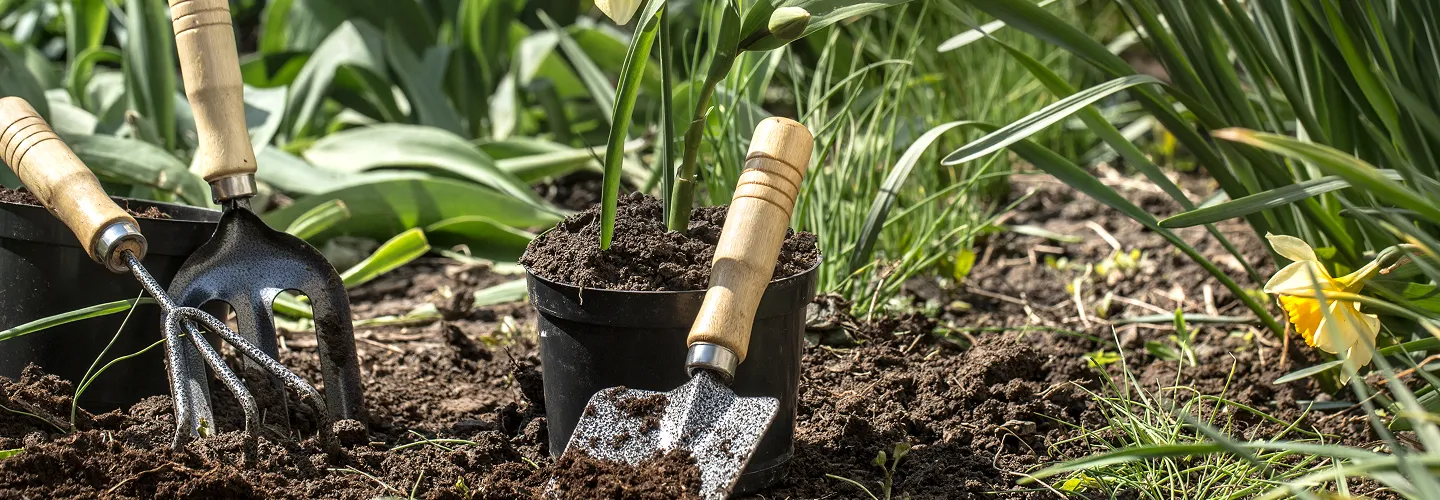
Cleveland Flower Planting Services
Choose our flower planting services for vibrant, expertly arranged blooms that enhance your curb appeal and thrive throughout the seasons—bringing lasting beauty and value to your home.
Get a Free QuoteOur Cleveland Landscaping & Yard Care Services
When to Schedule Flower Planting in Cleveland, Florida – Seasonal Guide
In Cleveland, Florida, timing your flower planting is crucial for vibrant, long-lasting blooms. The region’s subtropical climate means that the best planting windows are typically in early spring and late fall, when temperatures are moderate and rainfall is more predictable. Local neighborhoods like Peace River Shores and the areas near Shell Creek benefit from slightly different microclimates, so it’s important to consider your specific location. Cleveland’s proximity to the river can mean higher humidity and occasional fog, which influences both soil moisture and disease risk.
Before planting, pay close attention to the last expected frost date—usually in late February—and the onset of the summer rainy season. Soil in Cleveland tends to be sandy with occasional clay pockets, especially near the Charlotte Harbor Preserve State Park, so amending your beds for drainage and nutrients is often necessary. Shade from mature oaks and palms, common in residential areas, can also affect which flowers will thrive. For more detailed local guidelines, consult resources like the Sudbury town website.
Local Factors to Consider for Flower Planting in Cleveland
- Tree density and shade coverage in your yard
- Soil type and drainage, especially near riverbanks
- Average precipitation and risk of drought during summer
- Proximity to landmarks like Shell Creek or Charlotte Harbor
- Municipal restrictions or HOA guidelines on landscaping
- Terrain slope and risk of water pooling after storms
Benefits of Flower Planting in Cleveland
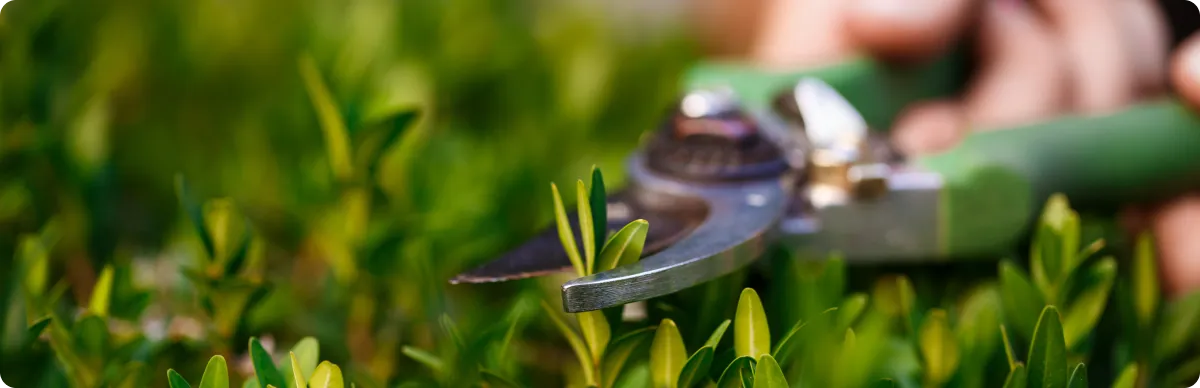
Expert Local Knowledge
Seasonal Plant Selection
Enhanced Curb Appeal
Eco-Friendly Landscaping
Low Maintenance Solutions
Customized Garden Designs
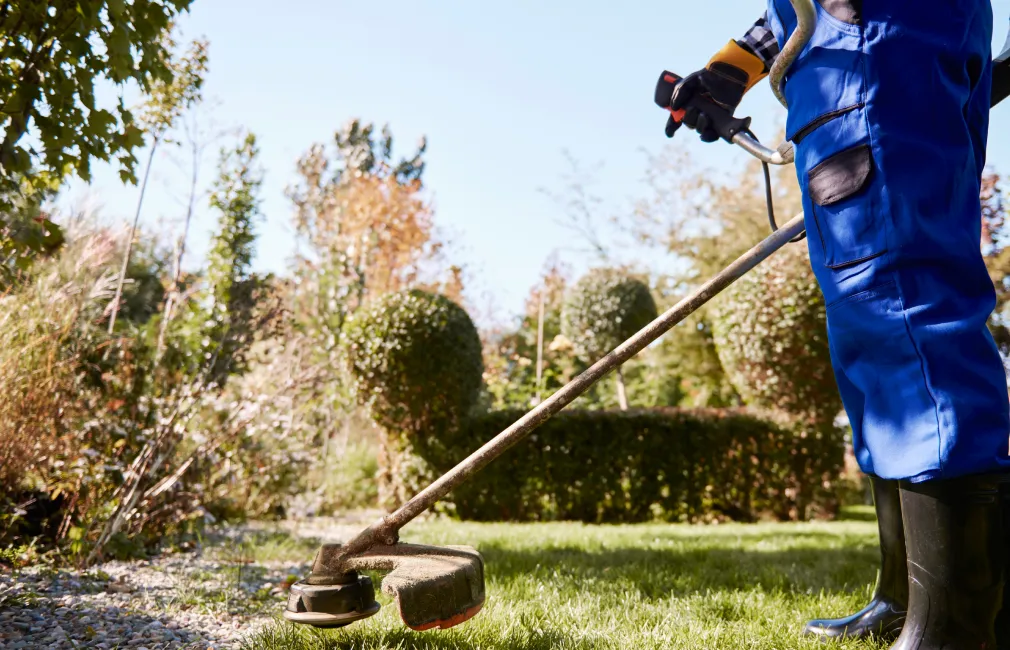
Cleveland Flower Planting Types

Annual Flower Beds
Seasonal color displays using vibrant annuals for maximum impact.
-
Perennial Gardens
Long-lasting blooms that return year after year for sustainable beauty.
-
Native Plant Installations
Utilizing Ohio-native flowers to support local ecosystems and pollinators.
-
Shade Garden Plantings
Specialized flower selections for low-light and shaded landscape areas.
-
Container Flower Arrangements
Versatile and movable flower displays for patios, decks, and entryways.
-
Pollinator-Friendly Gardens
Flower beds designed to attract bees, butterflies, and other pollinators.
-
Bulb Planting Services
Seasonal bulb installations for spring and fall flowering displays.
Our Flower Planting Process
Site Evaluation
Soil Preparation
Flower Selection
Planting
Watering and Mulching
Why Choose Cleveland Landscape Services
-
Cleveland Homeowners Trust Us
-
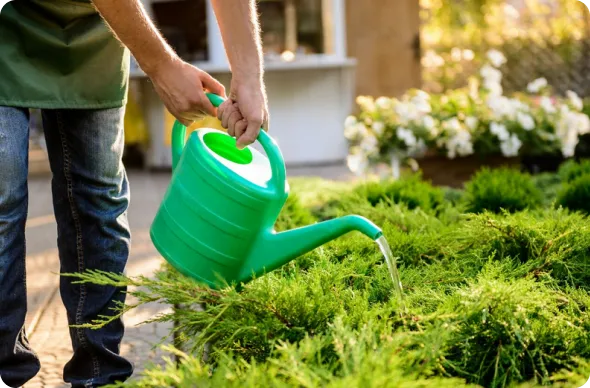
Expert Lawn Maintenance
-
Reliable Seasonal Cleanup
-
Competitive Pricing
-
Professional Team
-
Satisfaction Guarantee
-
Personalized Service
Coordinating Flower Planting Projects with Charlotte County Departments in Cleveland
Cleveland, FL is an unincorporated community within Charlotte County, meaning residents and property managers coordinate landscaping activities—including flower planting—through county-level departments rather than a municipal government. Before beginning any flower planting project that involves site grading, irrigation modifications, or work near drainage infrastructure, property owners should verify whether the scope triggers a review through Charlotte County Community Development. Projects adjacent to county-maintained swales, retention ponds, or stormwater conveyances may require coordination with Public Works Engineering to ensure planting does not obstruct drainage flow or alter grading within easements.
- Confirm whether flower bed installation near rights-of-way or drainage easements requires county review before breaking ground.
- Coordinate irrigation changes with Charlotte County Utilities to verify water service capacity and any applicable watering restrictions.
- Review site plans with the county if planting involves soil import, raised beds, or hardscape borders near stormwater infrastructure.
Charlotte County Community Development
18400 Murdock Circle, Port Charlotte, FL 33948
Official Website: Charlotte County Community Development
How Cleveland's Gulf Coast Climate and Soils Shape Flower Planting Success
Cleveland sits within the Gulf Coast Florida context, classified in USDA Hardiness Zone 10a, where subtropical conditions dominate the growing calendar. The area receives approximately 50–55 inches of rainfall annually, with the majority concentrated between June and September. This wet-season intensity creates saturated sandy soils that drain rapidly but leach nutrients quickly, requiring careful amendment and irrigation planning for flower beds. The dry season from November through April brings lower humidity but increased irrigation dependence, particularly for newly installed annuals and perennials.
- Sandy, low-organic soils common throughout Cleveland drain fast but retain very little moisture or nutrients, demanding organic amendment at planting time.
- High water tables in low-lying areas can limit root depth for certain flower species and increase the risk of root rot during prolonged wet-season saturation.
- Summer heat and humidity regularly push air temperatures above 90°F with high dew points, favoring heat-tolerant species such as pentas, lantana, firebush, and blanket flower over cool-season annuals.
- Salt exposure is minimal in Cleveland's inland position compared to barrier-island properties, broadening the viable planting palette.
Residents should consult the USDA Web Soil Survey to identify the specific soil series on their parcel before selecting flower species or designing bed drainage.
Navigating Cleveland's Regulatory Framework for Flower Planting and Landscape Compliance
Charlotte County enforces land development regulations that may affect flower planting when projects involve changes to site grading, stormwater flow, or irrigation infrastructure. Property owners planning large-scale bed installations—particularly in subdivisions with shared drainage systems or near retention ponds—should verify compliance with county stormwater standards. The Florida DEP NPDES Stormwater Program establishes the broader framework for protecting surface water from sediment and nutrient discharge during landscape disturbance.
- Any pesticide or herbicide application associated with flower bed preparation must comply with Florida Statutes Chapter 487, which requires commercial applicators to hold valid FDACS certification.
- Fertilizer use on flower beds should follow the guidance outlined in §403.9337, Florida's model ordinance for Florida-Friendly fertilizer use on urban landscapes; verify current local adoption status through the county.
- Planting within county drainage easements, swale edges, or retention pond buffers may be restricted; confirm setback requirements with Public Works Engineering before installing beds in these areas.
Charlotte County Public Works Engineering
Official Website: Charlotte County Public Works Engineering
Conservation Charlotte
Official Website: Conservation Charlotte
Timing and Methods for Flower Planting in Cleveland's Subtropical Growing Seasons
Professional flower planting in Cleveland follows a two-season rhythm dictated by the Gulf Coast climate. The primary planting window for warm-season annuals and perennials runs from March through May, allowing root establishment before peak summer rainfall arrives. A secondary window in October through early November accommodates cool-season annuals such as petunias, snapdragons, and dianthus, which perform well through Cleveland's mild winters with minimal freeze risk.
- Soil preparation should include incorporating two to three inches of composted organic matter into the top six to eight inches of native sandy soil to improve moisture retention and nutrient availability.
- Irrigation coverage must be confirmed before planting; drip emitters or micro-spray heads reduce water waste and keep foliage dry, limiting fungal disease pressure during humid months.
- Mulch application of two to three inches around planted flowers suppresses weeds, moderates soil temperature, and reduces evaporation—critical during dry-season months when EPA WaterSense principles encourage efficient outdoor water use.
- Species selection should prioritize Florida-Friendly varieties adapted to Zone 10a heat, including salvia, porterweed, coreopsis (Florida's state wildflower), and milkweed for pollinator support.
- Avoid planting during peak wet-season months (July–August) when saturated soils and daily thunderstorms increase transplant shock and root disease risk.
What Neighborhoods Do We Serve Throughout Cleveland, FL?
- Cleveland proper — This rural-residential core features larger lots with sandy soils and limited municipal irrigation infrastructure, making drought-tolerant flower species and well-planned drip irrigation essential for bed longevity.
- Harbour Heights — A nearby platted subdivision with canal-adjacent parcels where flower planting must account for drainage easements, high water tables, and nutrient runoff protection along waterway edges.
- South Gulf Cove — Characterized by canal-front lots and newer development patterns, this area requires careful bed placement to avoid obstructing swale drainage and to comply with any community-level landscape standards.
- Rotonda West — This large planned community features deed restrictions and common-area landscaping standards that may influence flower species selection, bed placement, and irrigation methods on individual lots.
- Murdock area — A more urbanized commercial and residential corridor where reflected heat from pavement and compact lot sizes demand heat-tolerant flower varieties and efficient irrigation layouts suited to smaller planting zones.