

Cleveland Junk Removal Services
Choose us for hassle-free junk removal—our experienced team offers prompt service, transparent pricing, and eco-friendly disposal to keep your space clean and clutter-free.
Get a Free QuoteOur Cleveland Landscaping & Yard Care Services
When to Schedule Junk Removal in Cleveland, Florida – Seasonal Guide
In Cleveland, Florida, timing your junk removal can make a significant difference in both efficiency and environmental impact. The region’s subtropical climate means that humidity levels, rainfall patterns, and seasonal temperature shifts all play a role in determining the best periods for outdoor cleanup. For example, late winter and early spring—just after the last frost date—are ideal for clearing out debris before the summer rains and hurricane season begin. Neighborhoods near Peace River or close to the Cleveland Avenue corridor often experience increased leaf litter and storm debris, making these transitional months especially important for junk removal.
Local environmental factors such as high humidity, sandy soils, and dense shade from mature oaks in areas like Harbor View or Riverside Drive can affect how and when you should schedule service. Additionally, municipal guidelines and local resources may influence the timing and methods allowed for disposal. By considering these unique aspects of Cleveland’s landscape, you can ensure your property remains tidy and compliant year-round.
Local Factors to Consider for Junk Removal in Cleveland
- Tree density and seasonal leaf drop, especially in neighborhoods with mature canopies
- Terrain and soil type, such as sandy or flood-prone areas
- Precipitation patterns and risk of summer storms or hurricanes
- Municipal restrictions on bulk pickup and disposal
- Proximity to landmarks like Peace River or Cleveland Avenue, which may affect debris accumulation
Benefits of Junk Removal in Cleveland

Fast and Reliable Service
Eco-Friendly Disposal
Experienced Landscaping Team
Affordable Pricing Options
Comprehensive Clean-Up Solutions
Flexible Scheduling
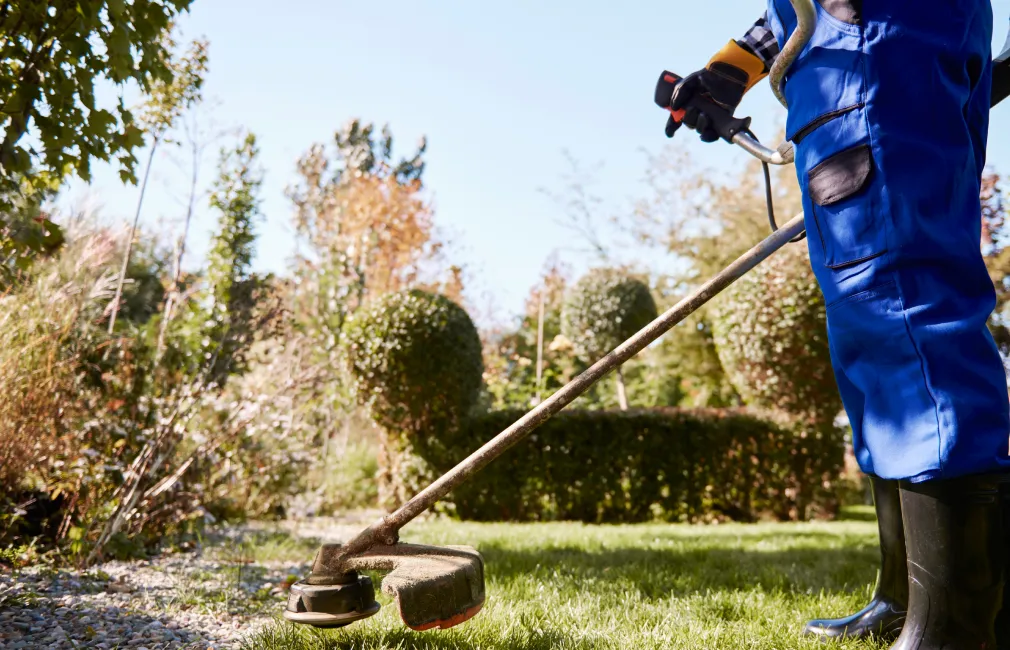
Cleveland Junk Removal Types

Yard Waste Removal
-
Tree Branch and Limb Disposal
-
Sod and Soil Hauling
-
Landscape Debris Cleanup
-
Shrub and Bush Removal
-
Mulch and Rock Removal
-
Garden Structure Disposal
Our Junk Removal Process
Site Evaluation
Customized Plan
Efficient Removal
Responsible Disposal
Why Choose Cleveland Landscape Services
-
Cleveland Homeowners Trust Us
-
Expert Lawn Maintenance
-
Reliable Seasonal Cleanup
-
Competitive Pricing
-
Professional Team
-
Satisfaction Guarantee
-
Personalized Service
Coordinating Bulk Junk Removal Through Charlotte County Public Works in Cleveland
Cleveland, FL, is an unincorporated community within Charlotte County, meaning residents and property managers coordinate junk removal logistics through county-level departments rather than a standalone municipal government. Charlotte County Public Works oversees bulk waste collection, right-of-way clearance, and debris management procedures that directly affect how junk removal is scheduled and executed in Cleveland. Before placing large items curbside or arranging hauling, property owners should verify current bulk pickup schedules and item restrictions with the county, as accepted materials, placement requirements, and collection frequency may change seasonally or following storm events.
Key coordination steps for Cleveland residents include:
- Confirming which items qualify for curbside bulk collection versus those requiring transport to a county transfer station or designated disposal facility
- Ensuring that junk, furniture, appliances, and other non-vegetative debris are separated from yard waste and placed according to county right-of-way guidelines
- Contacting the county to determine whether special arrangements are needed for construction debris, electronics, or hazardous materials that fall outside standard collection
Charlotte County Public Works
Official Website: Charlotte County Public Works
How Cleveland's Gulf Coast Climate and Soil Conditions Affect Junk Removal
Cleveland sits within the Gulf Coast Florida context, characterized by high summer heat, elevated humidity, a pronounced wet season from roughly June through October, and sandy to poorly drained soils common across Charlotte County. These conditions directly influence junk removal planning and execution in several ways:
- Moisture and mold accumulation: Furniture, mattresses, and stored goods left outdoors or in non-climate-controlled spaces deteriorate rapidly in Cleveland's humidity, often developing mold that requires careful handling and disposal to avoid spreading contaminants during transport.
- Soft, saturated ground: Sandy soils and a seasonally high water table can make staging areas and driveways soft during the wet season, complicating heavy-load access for trucks and trailers. Scheduling removal during drier periods or reinforcing staging surfaces reduces property damage.
- Storm debris surges: Hurricane and tropical storm events generate sudden volumes of mixed debris—damaged building materials, waterlogged furnishings, and displaced household goods—that must be separated from vegetative waste and handled according to county post-storm protocols.
- Heat exposure for crews: Summer temperatures regularly exceed 90°F with heat indices climbing higher, making early-morning scheduling essential for safe, efficient junk removal operations.
Properties near canals, retention ponds, or drainage swales in Cleveland must ensure that staged junk does not obstruct stormwater flow or introduce pollutants into the county's surface water management system, consistent with Florida DEP NPDES Stormwater Program requirements.
Navigating Cleveland's County Regulations and Compliance Standards for Junk Removal
Charlotte County enforces code compliance standards that apply to junk accumulation, illegal dumping, and property maintenance throughout unincorporated areas including Cleveland. Property owners should be aware of the following regulatory considerations:
- Code enforcement: Accumulated junk, debris piles, and abandoned items visible from the right-of-way may trigger code compliance action. The county's Community Development Department handles land-use compliance and can clarify property maintenance expectations.
- Illegal dumping prevention: Disposing of junk in vacant lots, canal banks, drainage easements, or wooded areas violates county ordinances and may result in enforcement action. All removed materials must be transported to authorized facilities.
- Construction and demolition debris: Renovation or demolition waste—including drywall, roofing materials, concrete, and fixtures—often requires separate disposal streams. Verify current requirements through the county's building and construction division before mixing C&D materials with household junk.
- Stormwater protection: Under the Clean Water Act and EPA municipal stormwater discharge requirements, debris and pollutants must not enter storm drains, swales, or surface waters during removal operations.
Charlotte County Community Development
Official Website: Charlotte County Community Development
Charlotte County Building and Construction
Official Website: Charlotte County Building and Construction
Timing and Professional Standards for Junk Removal Operations in Cleveland
Effective junk removal in Cleveland requires attention to seasonal timing, site logistics, and responsible disposal practices suited to Gulf Coast Florida conditions. Professional standards that apply to operations in this area include:
- Early scheduling during wet season: Staging junk outdoors during afternoon thunderstorm windows increases water damage, weight, and mold risk. Removal should be completed before midday when possible between June and October.
- Load separation: Household junk, appliances containing refrigerants, electronics, and any potentially hazardous items such as paint or solvents should be separated before transport. County transfer stations and recycling facilities typically require sorted loads.
- Access planning: Many Cleveland properties are accessed via unpaved or shell-surface roads and driveways. Heavy trucks should confirm ground conditions and turning clearance before arrival, particularly after sustained rainfall when sandy soils become unstable.
- Right-of-way clearance: Items staged for pickup must not block drainage swales, mailboxes, fire hydrants, or utility access points along the right-of-way. Charlotte County Public Works Engineering can clarify setback and placement expectations for properties adjacent to county infrastructure.
- Post-removal site condition: After junk is removed, the staging area should be inspected for residual debris, staining, or soil disturbance. Exposed sandy soil should be stabilized to prevent erosion into nearby swales or retention areas.
What Neighborhoods Do We Serve Throughout Cleveland, FL?
- Cleveland proper: The core unincorporated area features a mix of older residential parcels and rural homesites with larger lots, often requiring extended staging areas and flexible truck access for bulk junk removal.
- Harbour Heights: This nearby planned subdivision includes grid-pattern streets with moderate lot sizes, where curbside staging must account for swale drainage and neighborhood traffic flow during removal operations.
- South Cleveland: Properties in this area tend toward larger, semi-rural parcels with unpaved access roads and limited turnaround space, making advance logistics planning essential for heavy loads.
- Solana neighborhood areas: Residential sections near Solana feature properties adjacent to natural drainage corridors and conservation lands, requiring careful debris staging to avoid encroachment on environmentally sensitive buffers.
- El Jobean adjacent areas: Properties near the El Jobean corridor may sit closer to tidal waterways and canal systems, where protecting Florida's water resources during junk removal is particularly important to prevent pollutant discharge.